
A research-informed look at how daily food environments shape health — beyond diets or trends.
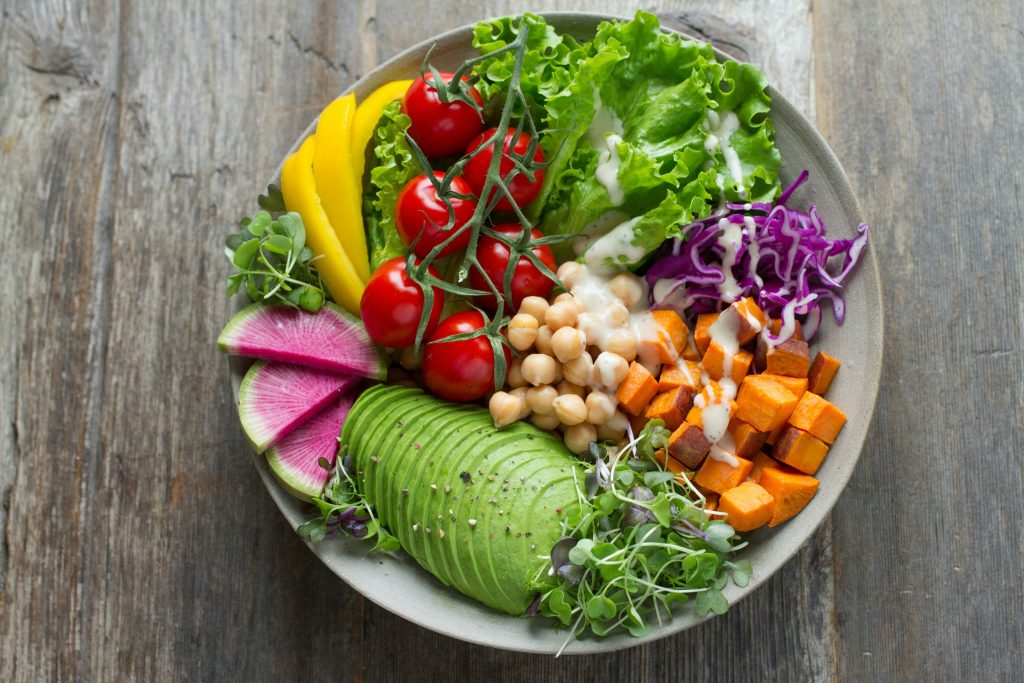
Food doesn’t just fuel the body. It influences energy regulation, emotional stability, and low-grade inflammation — often in ways that feel subtle but compound over time.
While nutrition advice frequently focuses on willpower or restrictive eating plans, research consistently shows that daily food environments and patterns play a far greater role in shaping health outcomes.1 What we keep at home, how meals are structured, and when we eat often matter more than individual “good” or “bad” food choices.
This guide explores how home food environments influence energy, mood, and inflammation — and how small, evidence-based shifts can support long-term well-being.
Food Environments Shape Daily Behavior
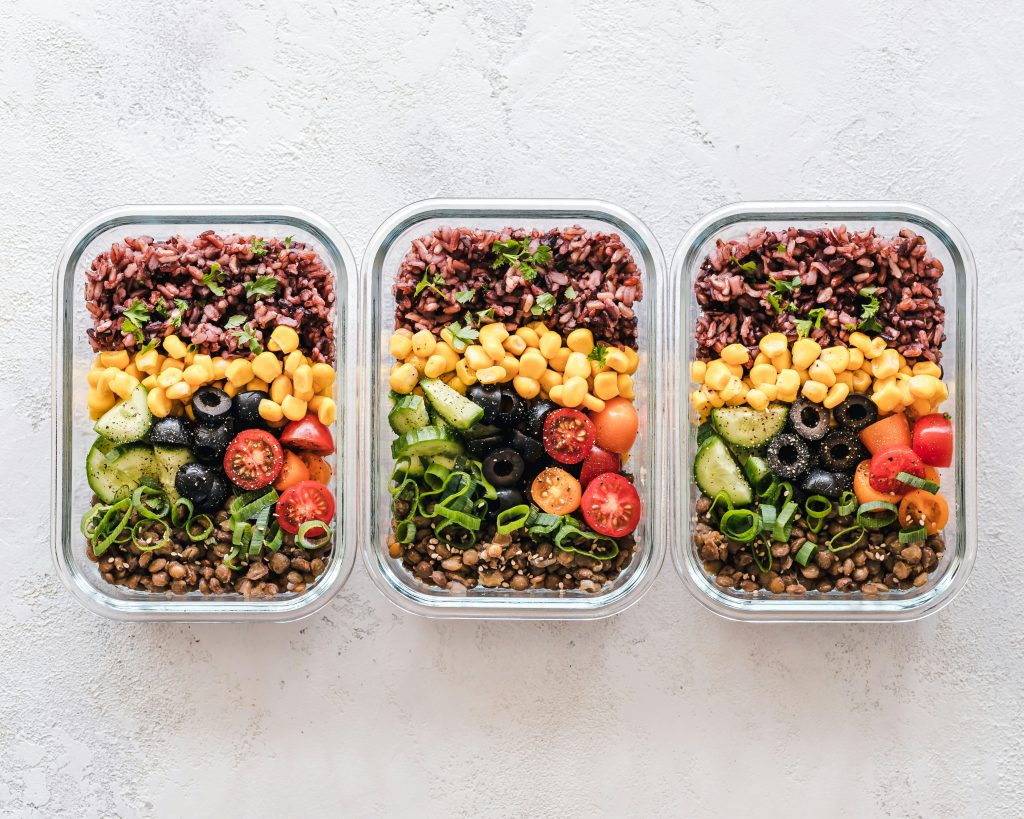
Eating behavior is not purely a conscious decision. Studies in behavioral nutrition show that availability, visibility, and convenience strongly predict what and how much people eat.2
Foods that are easy to access are consumed more frequently, regardless of hunger or nutritional intent. Over time, this shapes:
- Total energy intake
- Nutrient quality
- Blood sugar stability
- Inflammatory exposure
This means health outcomes are often determined by routine, not discipline. The structure of the home environment quietly reinforces patterns that repeat daily.
Blood Sugar Stability and Energy Levels

One of the strongest links between diet and perceived energy is glycemic variability — the rise and fall of blood glucose after eating.
Meals high in refined carbohydrates or added sugars can cause rapid glucose spikes followed by sharp declines, a pattern associated with fatigue, irritability, and difficulty concentrating.3 Research shows that combining carbohydrates with fiber, protein, and fat slows glucose absorption and promotes more stable energy across the day.4
Importantly, blood sugar stability does not require eliminating carbohydrates. It depends on:
- Food combinations
- Portion balance
- Meal timing consistency
At home, this often comes down to default meal composition rather than conscious tracking.
Ultra-Processed Foods and Chronic Inflammation

Ultra-processed foods are industrial formulations made primarily from refined ingredients, additives, and preservatives. Large observational studies link high consumption of these foods with elevated inflammatory markers and increased risk of cardiometabolic disease.5
Chronic low-grade inflammation does not always present as illness. It may appear as:
- Persistent fatigue
- Digestive discomfort
- Joint stiffness
- Mood instability
Research suggests that reducing ultra-processed food intake — even modestly — is associated with improvements in inflammatory profiles.6 The goal is not elimination, but shifting the baseline of what is eaten most often.
Further Reading
If you’re curious how these principles translate into practical changes, we’ve put together a guide to research-backed home wellness tools that support better eating habits.
→ Home Nutrition Essentials for Better Energy, Mood, and Lower Inflammation
Meal Timing, Mood, and Cognitive Function
Beyond food quality, when we eat matters.
Irregular eating patterns and prolonged fasting followed by large meals can disrupt insulin sensitivity and cortisol rhythms, which are closely tied to mood and cognitive performance.7 Studies show that more consistent meal timing supports:
- Improved emotional regulation
- Better daytime alertness
- Reduced stress reactivity8
Predictability — not rigidity — appears to be the key factor. Simple routines often outperform complex dietary rules.
Designing a Supportive Food Environment at Home

Research increasingly supports environmental design as a practical nutrition strategy.
Supportive home food environments often share common features:
- Whole or minimally processed foods are visible and accessible
- Meals follow repeatable, balanced structures
- Highly processed snack foods are less central to daily routines
These changes reduce reliance on willpower and decision fatigue — both strongly associated with inconsistent eating behaviors.9
Wellness becomes easier when supportive choices are the default.
Small Shifts, Long-Term Impact
Health is rarely shaped by single meals. It is built through patterns that repeat quietly over time.
By adjusting how food is organized, prepared, and approached at home, it’s possible to support more stable energy, improved mood, and lower inflammatory burden — without dieting or restriction.
Well-designed environments support well-designed lives.
References
- Swinburn BA, et al.
The global obesity pandemic: shaped by global drivers and local environments.
The Lancet. 2011.
https://www.thelancet.com/journals/lancet/article/PIIS0140-6736(11)60813-1/fulltext - Wansink B.
Environmental factors that increase the food intake and consumption volume of unknowing consumers.
Annual Review of Nutrition. 2004.
https://www.annualreviews.org/doi/10.1146/annurev.nutr.24.012003.132140 - Ludwig DS.
The glycemic index: physiological mechanisms relating to obesity, diabetes, and cardiovascular disease.
JAMA. 2002.
https://jamanetwork.com/journals/jama/fullarticle/195900 - Jenkins DJA, et al.
Effect of protein, fat, and fiber on glycemic response.
American Journal of Clinical Nutrition. 1984.
https://academic.oup.com/ajcn/article/40/5/971/4691447 - Monteiro CA, et al.
Ultra-processed foods: what they are and how to identify them.
Public Health Nutrition. 2019.
https://www.cambridge.org/core/journals/public-health-nutrition/article/ultraprocessed-foods-what-they-are-and-how-to-identify-them/6E2C6C2EFA7D76A8CBBF1A27B1C9B7B4 - Hall KD, et al.
Ultra-processed diets cause excess calorie intake and weight gain.
Cell Metabolism. 2019.
https://www.cell.com/cell-metabolism/fulltext/S1550-4131(19)30248-7 - St-Onge MP, et al.
Meal timing and frequency: implications for metabolic health.
Circulation. 2017.
https://www.ahajournals.org/doi/10.1161/CIR.0000000000000476 - Pot GK.
Sleep and dietary habits in relation to circadian rhythms.
Proceedings of the Nutrition Society. 2016.
https://www.cambridge.org/core/journals/proceedings-of-the-nutrition-society/article/sleep-and-dietary-habits-in-relation-to-circadian-rhythms/7B8C8D88F7A6F71E1B4E5D08B5A63F6F - Hollands GJ, et al.
Altering choice architecture to change population health behaviour.
Cochrane Database of Systematic Reviews. 2019.
https://www.cochranelibrary.com/cdsr/doi/10.1002/14651858.CD011775.pub2/full